Furniture planning guide
Warm Minimalist Living Room: Furniture, Wood Tones and Texture
A calm room still needs to work for daily life.
Start with the furniture you need and the space it uses. Then compare wood tones, upholstery and a small number of contrasting details. A warm minimalist living room comes from considered relationships between pieces; it does not depend on leaving the room empty or buying everything in the same shade of beige.
Client-project furniture and the making process, filmed in our Foshan showroom and workshop.
Warm wood tones and furniture combinations in showroom settings.
01
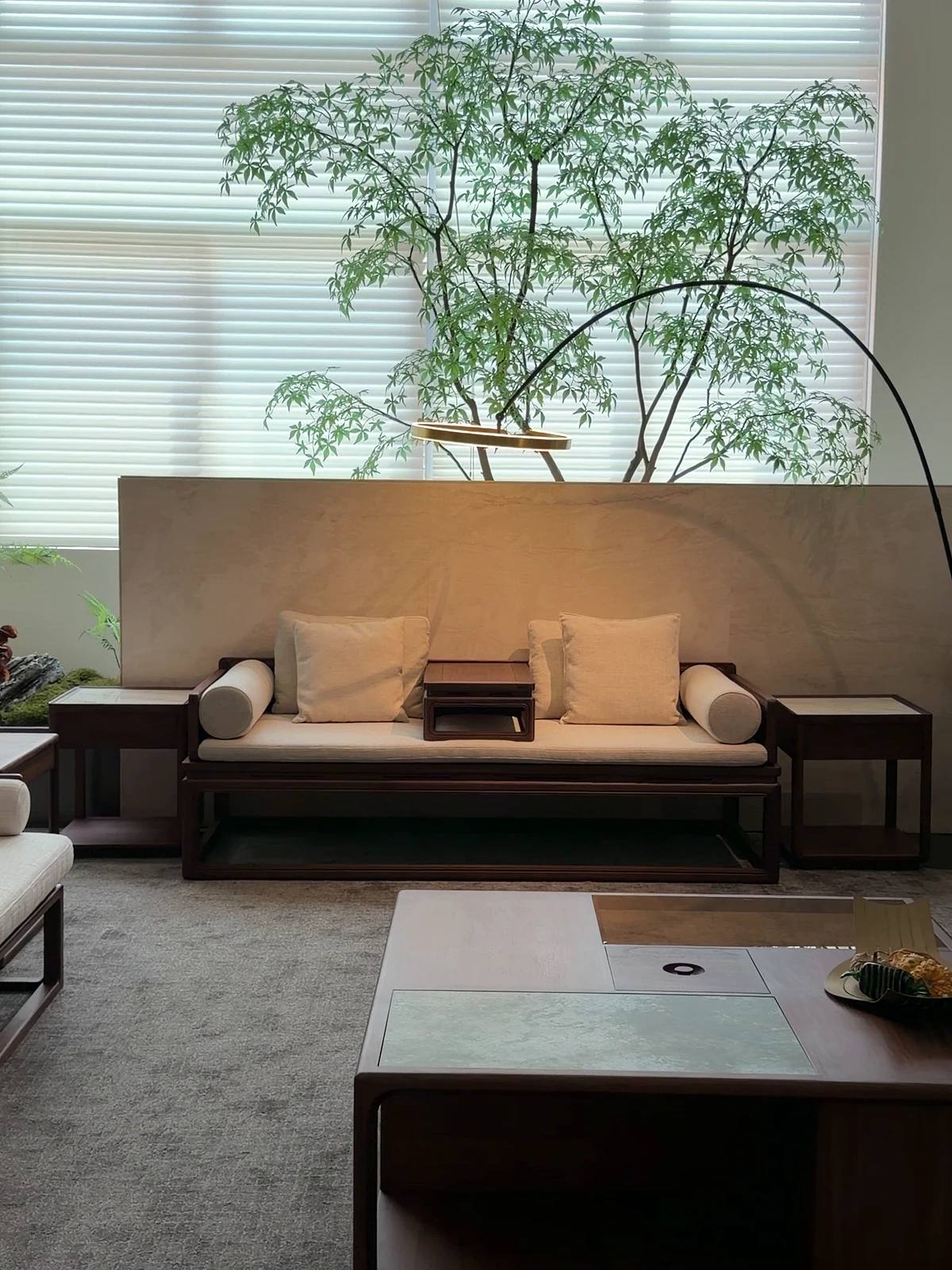
Begin with how you use the room.
Write down the everyday activities: conversation, reading, television, a place for a cup and somewhere to put the items you reach for. Give each activity a place on the plan. Keep the main route through the room clear before adding occasional chairs or another side table. Removing useful furniture is not a requirement of minimalism.
02
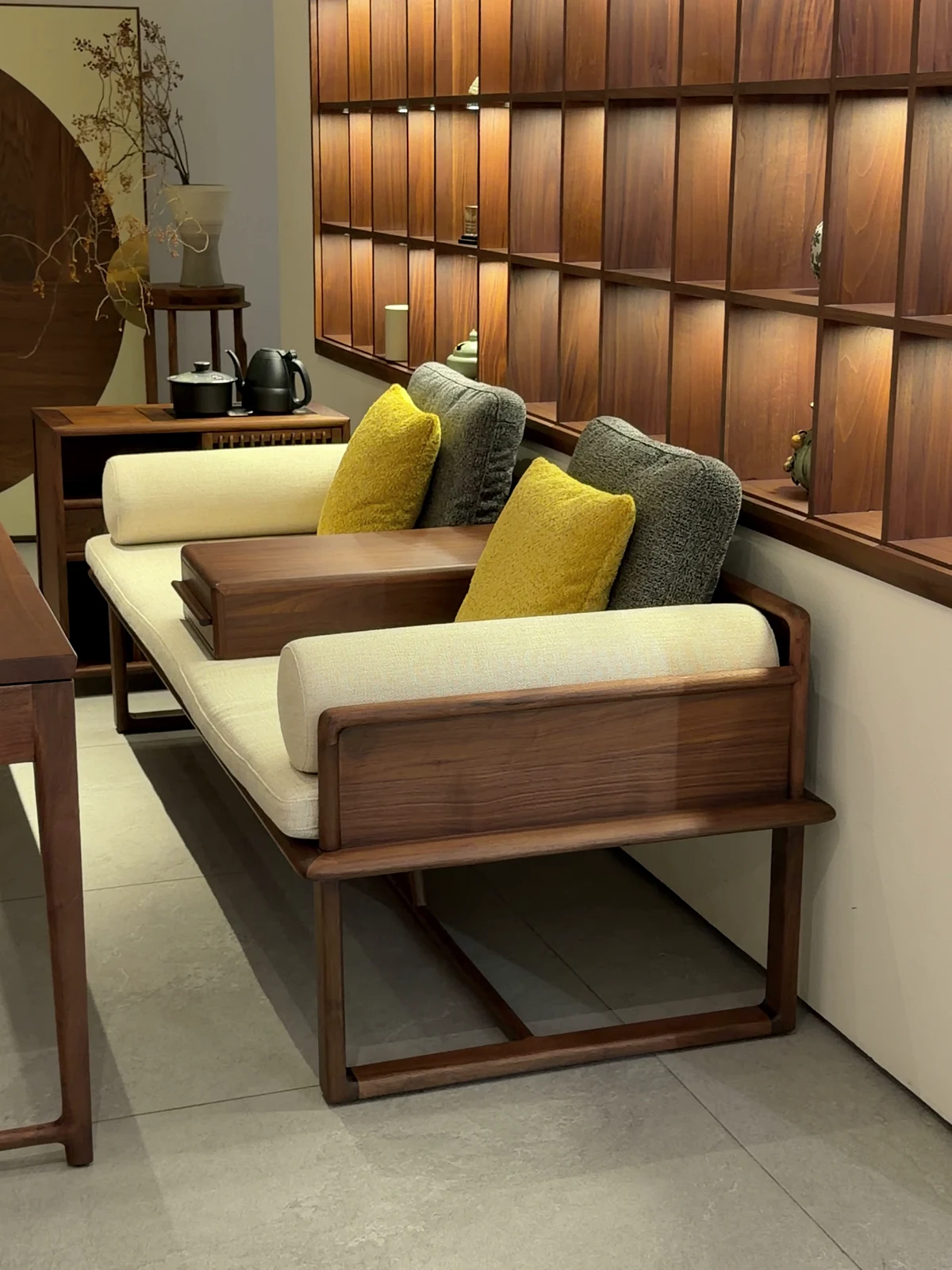
Compare wood tones beside each other.
Choose one main wood tone to organise the larger surfaces, then test any contrasting tone beside it. In these references, wood-coloured surfaces and light upholstery create a quieter relationship than a collection of competing finishes. This is a reading of the visible palette, not proof of the timber species or construction. Keep real finish samples together when making the final selection.
03
Use texture where it can be appreciated.
Compare a textured upholstery surface with the smoother furniture around it. Look close enough to see the surface, then step back to judge the complete room. A rug, cushion or upholstered chair can add variation without another large colour statement. Keep texture descriptions separate from material claims: a soft-looking surface does not identify its fibre content or cleaning needs.
04
Give the arrangement a clear focal point.
Try making the main seating group the focus, with smaller tables and storage supporting it. Another room may work better around a view or a fireplace surround. Test one choice in your own room rather than treating it as a rule. Too many statement pieces can compete even when their colours match.
05
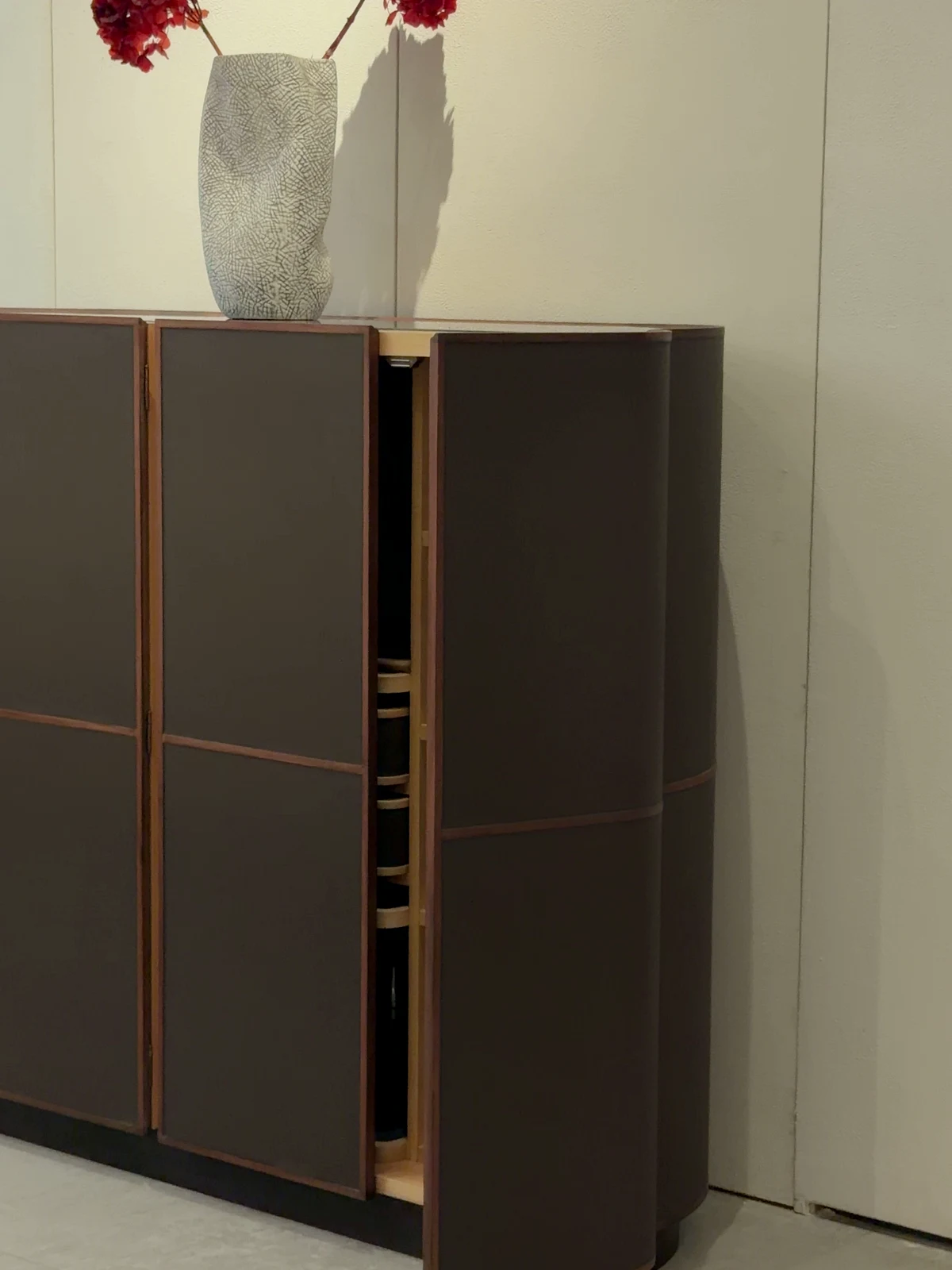
Keep the useful storage in the plan.
List the things that need a home before deciding how much open display you want. Closed storage can help the room stay composed after daily use. Record which colours, silhouettes and surfaces matter most in your reference; distinguish those priorities from details you are happy to change. That gives the sourcing conversation a clearer direction than a single mood-board image.
Your planning checklist.
Bring these details into the conversation.
- Activities, seating and the main walking route
- A principal wood tone and finish samples to compare
- One focal point and a limited set of accents
- Open display versus everyday closed storage
- Reference details to keep and details you can change
FOSHANPICK
A clearer brief. A better starting point.
FoshanPick is a furniture manufacturer with our own factory in Foshan. We design and make sofas, beds, dining tables and cabinetry for hotel, apartment and villa furniture projects, with quality control and export services. Share your plans, quantities and destination so we can confirm the furniture scope for your project.
Share your project briefBefore you choose.
Does warm minimalism mean an all-beige room?
Not at all. Contrast can come from wood tones, a darker table, an accent colour or texture. Judge the combination in the actual room rather than following a fixed colour recipe.
Can different wood tones work together?
They can be worth testing. Compare the actual samples in your lighting and decide which tone leads. Screen images taken under different lights are a weak basis for a final match.
Sources and further reading
These references support the planning questions in this guide. They do not identify the materials, mechanisms or specifications of the furniture filmed here.
Start with your project list
Send your room list, drawings or reference photos to discuss custom furniture options and a quotation.