PROJECT NOTES
Before the first
conversation.
You do not need a finished specification to begin. A useful brief simply makes the project easier to understand.
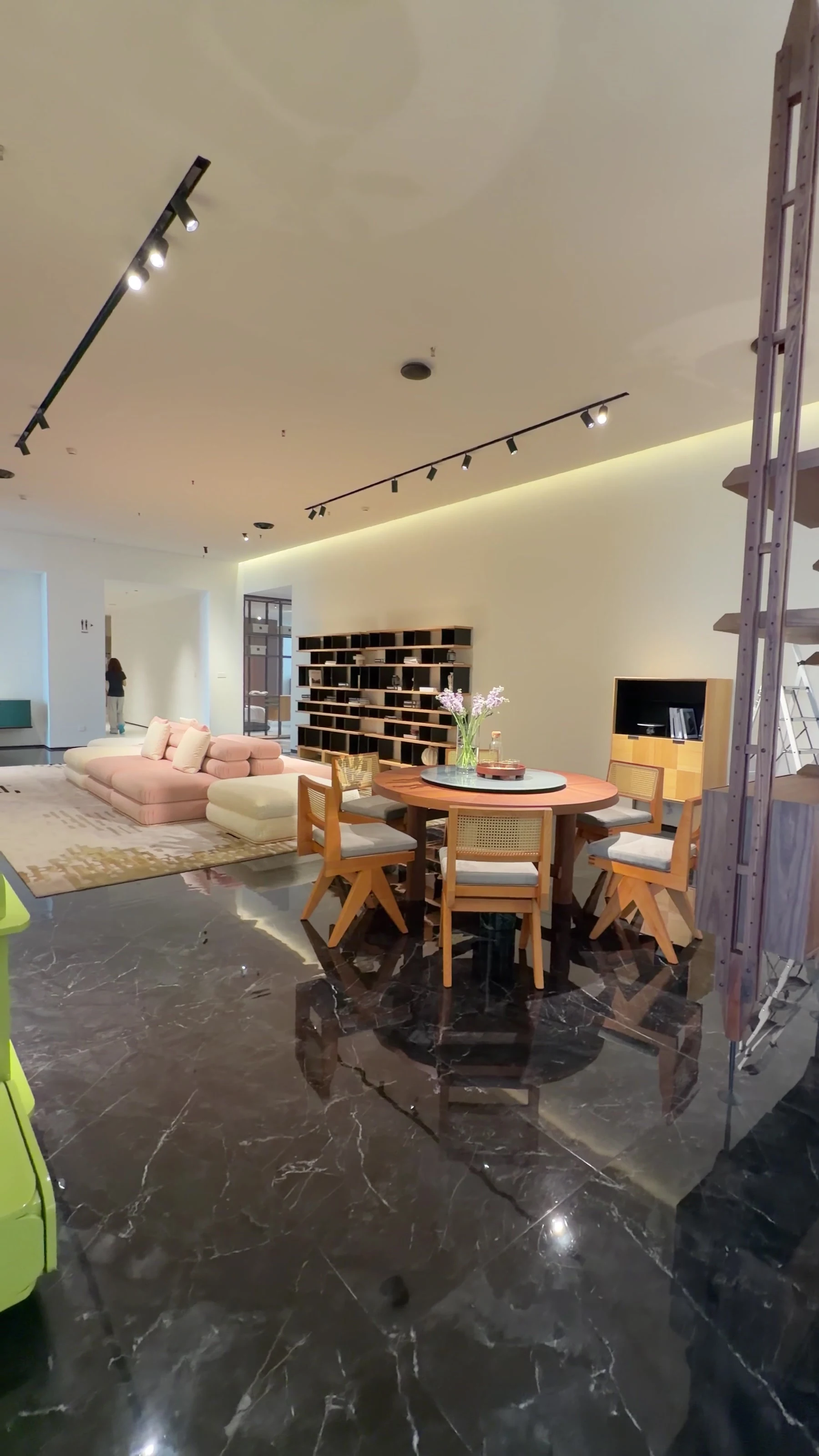
Begin with the project.
Tell us what the property is, where it is and which spaces you want to furnish. A villa owner starting with an empty home needs a different conversation from a hotel team working from an approved furniture schedule.
Bring the plans you have.
A floor plan shows the relationships between rooms. Dimensioned plans and elevations become important for fitted and custom pieces. Mark preliminary information and identify who will approve final site dimensions.
Show the direction.
A few references are more useful when you explain what you like: proportions, timber tone, upholstery or atmosphere. Include pieces you plan to keep and selections already approved by your designer.
List what you need.
Group the brief by room and category. Note quantities where known, especially for repeated hotel room types. Separate furniture, custom cabinetry, kitchens, surfaces and additional supplies you want to discuss.
Make practical limits visible.
Share a budget direction and target timing. State the currency and whether the budget includes freight, import charges, local delivery and installation. These are separate decisions, not assumptions to hide inside one number.
Agree what happens next.
The next step may be a product discussion, a more detailed list or a quotation for a defined scope. Fees, samples, inspection, shipping and after-sales responsibilities should be agreed for the actual project.
Your first-message checklist
- Project type and destination
- Rooms and product categories
- Floor plan, product list or references
- Budget direction and target timing
- Current design stage and open decisions